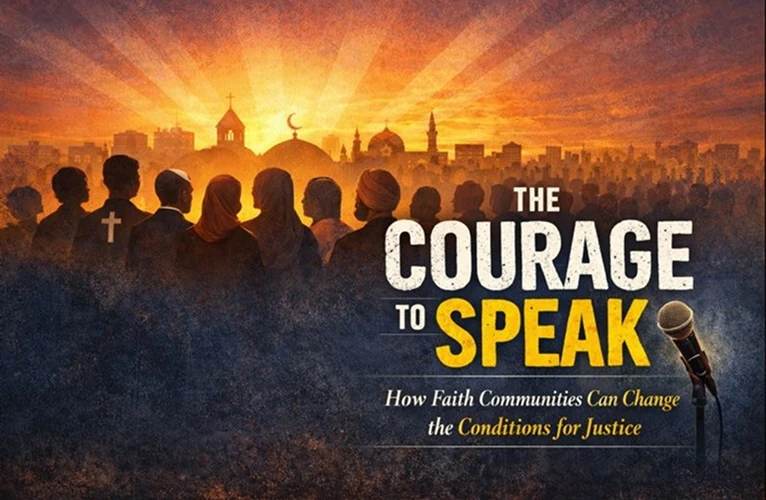

Community organizing has always been at the heart of social progress. When people come together with shared values and common goals, they create momentum that can shift policies, transform neighborhoods, and improve lives. But effective organizing requires more than good intentions—it demands strategy, persistence, and a deep understanding of how systems work.
Over the past decade, we’ve witnessed a renaissance in community-led initiatives. From mutual aid networks to policy advocacy coalitions, ordinary citizens are finding new ways to address challenges that institutions have struggled to solve. This isn’t happening by accident. It’s the result of deliberate effort, careful planning, and a willingness to learn from both
successes and failures.
Understanding the Landscape
Before diving into action, it’s essential to understand the environment you’re working within. Every community has its own unique dynamics, power structures, and cultural contexts that shape what’s possible and how change happens.
Key Questions to Consider
- Who holds decision-making power in your community?
- What are the existing organizations and networks working on similar issues?
- Where are the gaps in services or representation?
- What resources (time, money, skills) are available to you?

“Real change doesn’t come from the top down. It emerges from communities that believe in their own power to create the world they want to see.”
Key Takeaway
Sustainable change requires both vision and practical infrastructure. Without vision, efforts lack direction. Without infrastructure, vision remains unrealized. The most successful movements balance both.
Five Stages of Community Organizing
1. Assessment: Understand the issue, stakeholders, and landscape
2. Relationship Building: Connect with people who share your concerns
3. Strategy Development: Create a clear plan with achievable milestones
4. Action: Implement your plan and adapt as needed
5. Evaluation: Reflect on outcomes and incorporate learnings
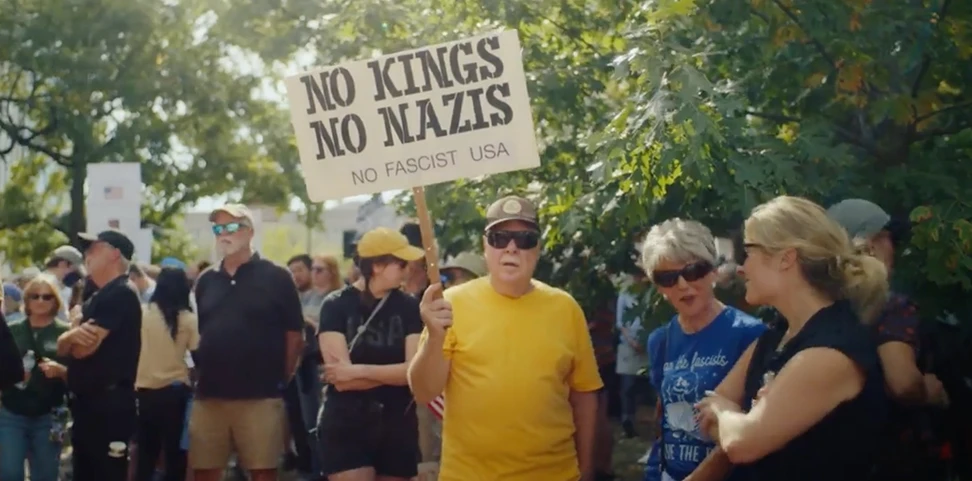
Building Coalitions That Last
Definition
Coalition: A temporary or long-term alliance between multiple organizations or individuals who work together to achieve a common goal while maintaining their separate identities and autonomy.
Stay informed about upcoming workshops
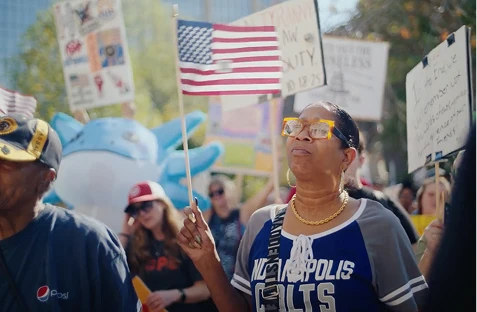

Expert Testimony
What We Know
Research shows that community-led initiatives are three times more likely to achieve sustainable outcomes compared to top-down interventions. This is because local leaders understand context, build trust more effectively, and create solutions tailored to specific needs.
Practical Tools for Organizers
While every organizing effort is unique, certain tools and frameworks prove useful across different contexts. Here are resources that organizers consistently find valuable:
Tool
Asset Mapping
Theory of Change
Relational Meetings
Purpose
Identify key decision-makers and influencers
Catalog community resources and strengths
Connect activities to long-term outcomes
Connect activities to long-term outcomes
Best For
Policy campaigns
Building on existing capacity
Strategic planning
Coalition building

Complete Advocacy Toolkit
Advocacy_Toolkit_2026_Final.PDF (4.2 MB)

Why This Matters
At a time when many feel disconnected from civic institutions, community organizing offers a path back to meaningful participation. It reminds us that democracy isn't just about voting—it's about the daily work of building the kind of society we want to live in.
Moving Forward Together
The work of community organizing is never finished. There will always be new challenges, shifting political landscapes, and evolving needs. But that’s precisely what makes this work so vital and meaningful. Each generation must find its own ways to organize, advocate, and build power.
- Attend a local community meeting or town hall this month
- Identify one issue you care deeply about and research who's already working on it
- Have coffee with three neighbors and ask them about their concerns
- Join an existing organization or coalition aligned with your values
- Commit to showing up consistently, even when it's difficult
Remember that lasting change rarely happens overnight. It’s the result of countless small actions, relationships built over time, and a commitment to showing up even when progress feels slow. Your contribution matters, and your community needs your unique perspective and skills.
As you embark on or continue your organizing journey, be patient with yourself and others. Celebrate small victories. Learn from setbacks. And never underestimate the power of people coming together with purpose and determination.